Key Takeaways
- Retirement doesn’t mean tax planning stops. Even after you’ve left the workforce, there are meaningful ways to lower your current-year tax bill.
- Small decisions can have compounding effects. Choices around deductions, charitable giving, and distributions can influence future taxes, Medicare premiums, and cash flow.
- Good planning requires seeing the full picture. Coordinating income sources, deductions, and timing is far easier with the right planning tools.
Retirement may simplify daily routines, but tax planning remains an important ongoing responsibility. Even without a full-time paycheck, retirees face meaningful tax decisions each year that can materially affect long-term financial outcomes. With thoughtful planning and timely decisions, it’s often possible to preserve more capital and improve after-tax cash flow.
Below are five practical, tax-efficient strategies retirees can consider, along with examples of how planning software like WealthTrace can help bring structure and clarity to the process.
1) Make a Traditional IRA Contribution
Retirement doesn’t automatically disqualify you from contributing to an IRA. If you or your spouse earned income from consulting, part-time work, or contract projects, you may still be eligible to contribute to a traditional (non-Roth) IRA.
Traditional IRA contributions can reduce taxable income, potentially lowering your overall tax bill. While income limits may affect how much of your contribution is deductible, especially if you’re covered by an employer retirement plan, there’s no age limit on making contributions. 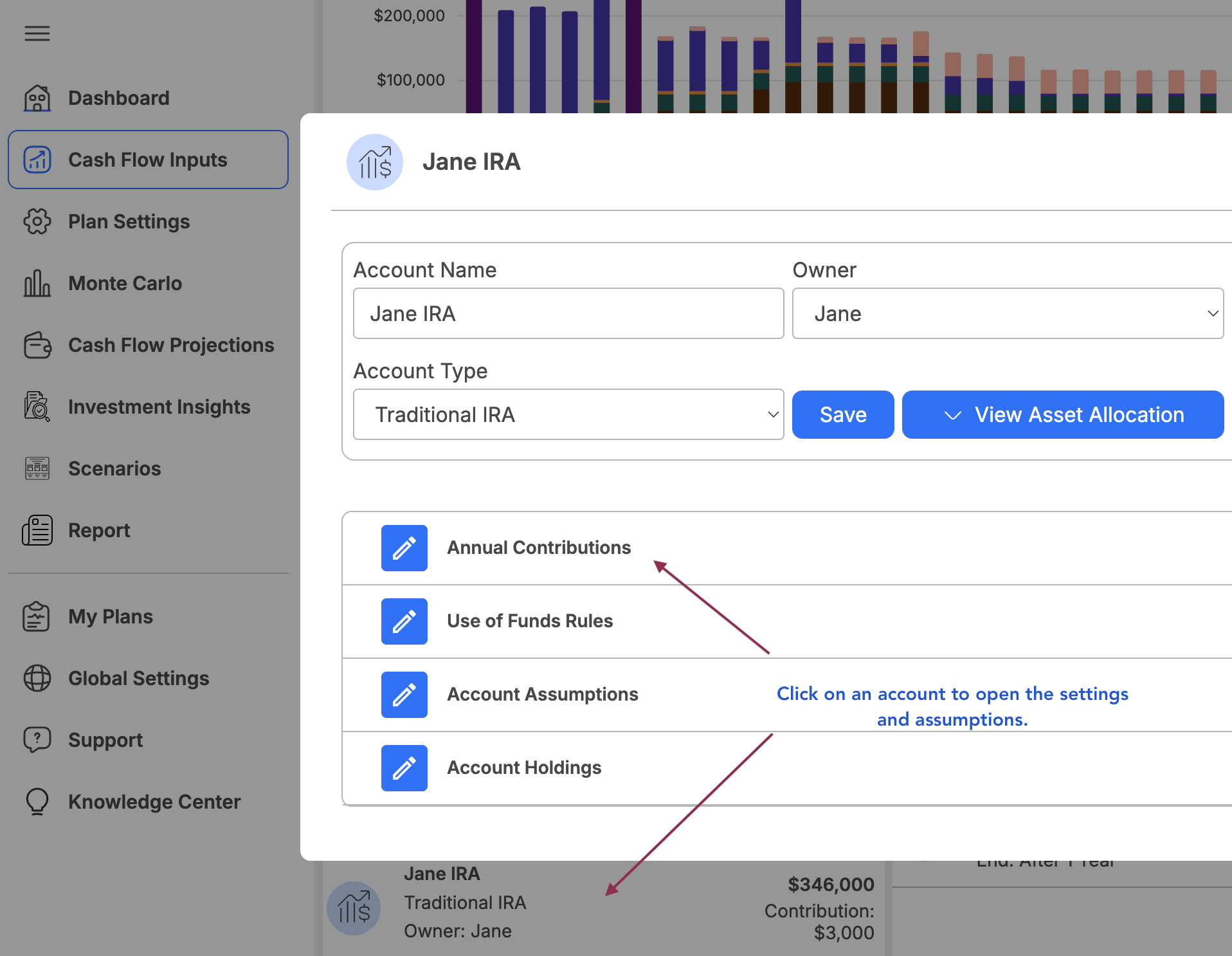 WealthTrace planning tip: WealthTrace lets you model IRA contributions alongside other income sources, so you can see whether an additional deduction meaningfully improves your after-tax outcome for the year.
2) Maximize the Power of an HSA
Health savings accounts (HSAs) remain one of the most tax-efficient tools available, but only if you’re covered by a qualifying high-deductible health plan and not yet enrolled in Medicare.
HSAs offer a rare triple tax advantage:
-Contributions reduce taxable income
-Growth is tax-free
-Withdrawals for qualified medical expenses are tax-free
Like IRAs, you can contribute up until the tax filing deadline, making HSAs a powerful last-minute tax planning tool.
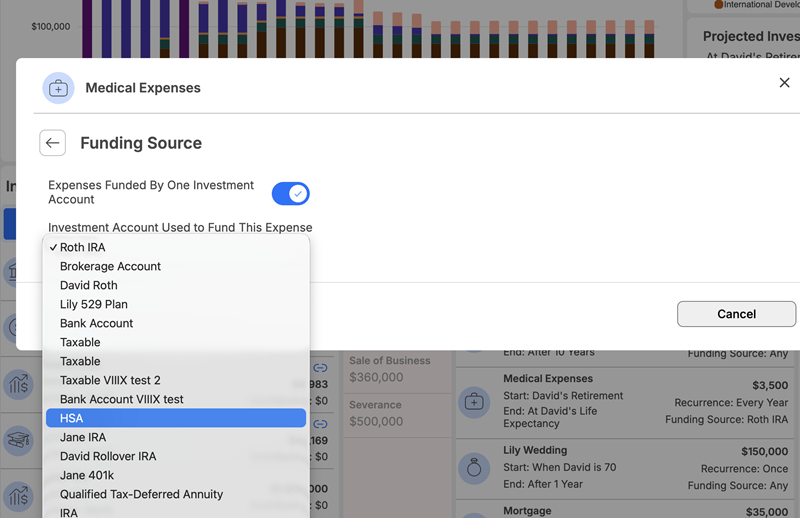
WealthTrace planning tip: WealthTrace lets you tie medical expenses directly to your HSA, helping you see how contributions and withdrawals affect taxes, cash flow, and overall retirement spending.
3) Revisit the Standard Deduction vs. Itemizing
Most retirees take the standard deduction, which has increased substantially in recent years. For many households, it now exceeds what they’d receive by itemizing.
Still, it’s worth double-checking. Charitable gifts, state and local taxes, mortgage interest, and unreimbursed medical expenses can add up quickly. Medical costs that exceed 7.5% of adjusted gross income (AGI) may be deductible.
Retirees age 65 and older also qualify for additional standard deductions, and recent tax law changes provide temporary bonus deductions for older adults - subject to income limits.
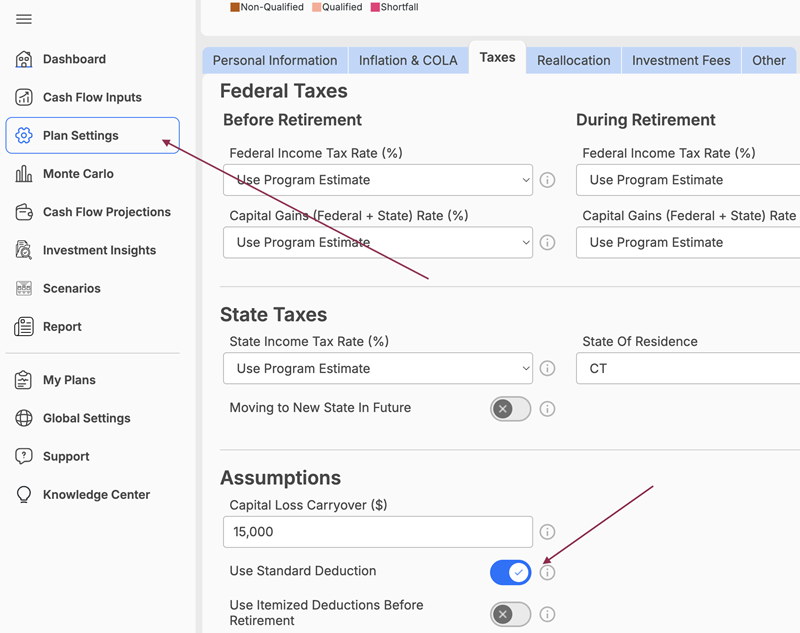
WealthTrace planning tip: In WealthTrace, you can specify whether you’re itemizing or taking the standard deduction in the tax settings.
4) Look Beyond Federal Taxes to State and Local Breaks
Federal taxes get the spotlight, but state and local tax benefits can offer meaningful savings.
Some states allow deductions or credits for contributions to 529 education plans, even for grandparents helping fund future education. Others provide income or property tax relief for older adults.
These benefits vary widely by location and often require proactive enrollment or applications.
5) Plan Ahead to Lower Next Year’s Taxes
Some of the most powerful tax strategies don’t deliver instant gratification, they reduce future tax bills instead.
Be Strategic with Required Minimum Distributions (RMDs)
Once you reach age 73, RMDs are mandatory. While delaying your first RMD can reduce taxable income in the short term, it may lead to higher taxes later if distributions bunch together.
Use Qualified Charitable Distributions (QCDs)
If you’re 70½ or older and charitably inclined, QCDs allow you to donate directly from your IRA to a qualified charity. The distribution counts toward your RMD but is excluded from taxable income.
This strategy can lower:
-Federal income taxes
-Taxes on Social Security benefits
-Medicare premium surcharges (IRMAA)
For the 2026 tax year, you can contribute up to $111,000 through a Qualified Charitable Distribution (QCD). You may also allocate up to $55,000 of a QCD toward a one-time gift to a Charitable Remainder Trust (CRT) or Charitable Gift Annuity (CGA). Married couples can each make donations up to their individual limits.
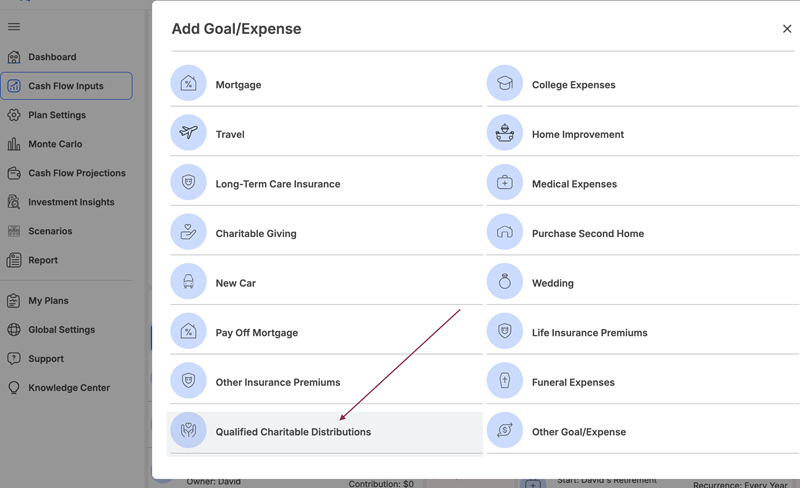
WealthTrace planning tip: You can add QCDs in WealthTrace to see how they reduce RMDs and lower taxable income.
The Bottom Line
Retirement tax planning isn’t about finding loopholes; it’s about making informed choices. From IRA contributions and HSAs to charitable giving and RMD timing, retirees have more control than they often realize.
The key is coordination. Taxes, income, healthcare costs, and benefits like Medicare are deeply interconnected. Seeing how one decision affects the rest can make the difference between reactive tax filing and proactive planning.
With WealthTrace, retirees can model income sources, automatically calculate taxes and Medicare premiums, and stress-test strategies across years - turning tax season from a scramble into a strategy.
Are you doing everything you can to minimize taxes? If you aren’t sure, sign up for a free trial of WealthTrace to help you optimize your financial plan and reduce taxes.